Mapping Connections Between Finnish Gambling Laws, Mobile Payment Options, and Live Dealer Blackjack Strategies
Bianca Fischer · Aug 19, 2026
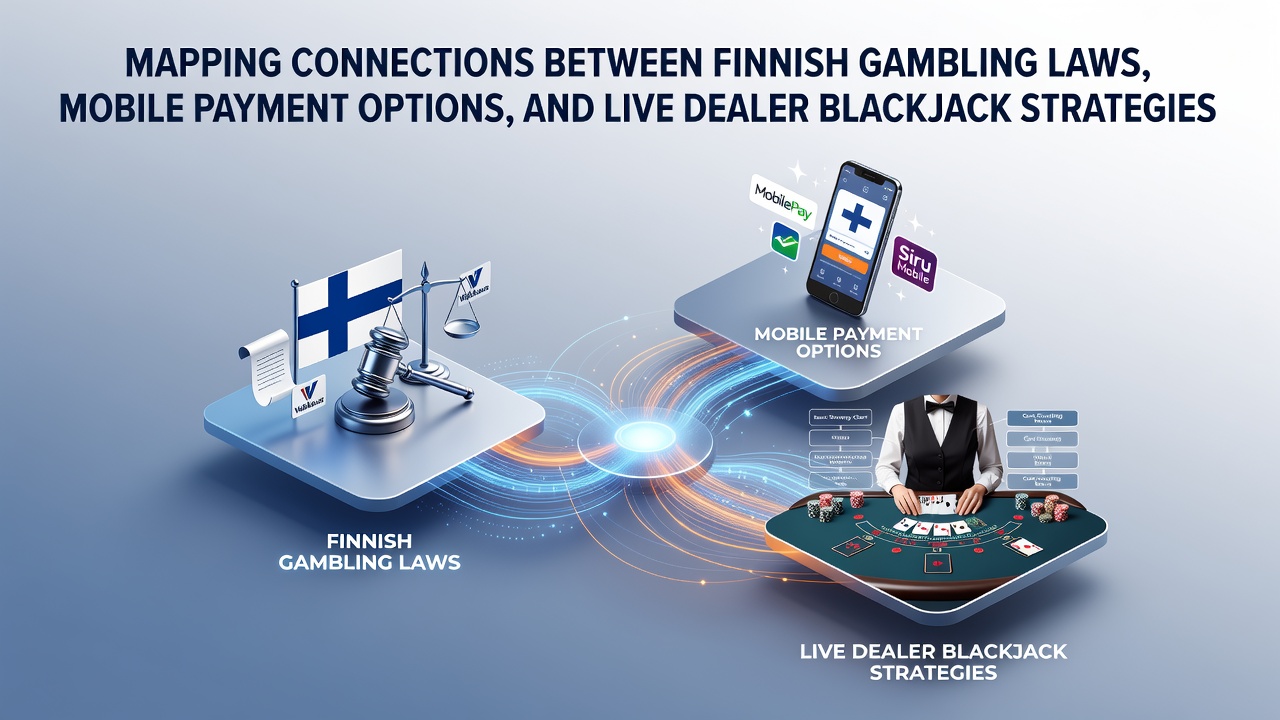
Mapping Connections Between Finnish Gambling Laws, Mobile Payment Options, and Live Dealer Blackjack Strategies
Finnish gambling laws have long centered on a state monopoly system operated through Veikkaus, yet offshore platforms continue to attract players through alternative channels that include mobile payment solutions; these options range from bank transfers and e-wallets to direct carrier billing, all of which must navigate licensing restrictions that limit domestic operators while allowing foreign sites to serve Finnish residents under specific conditions.
Current Framework of Finnish Gambling Regulations
Legislation passed in recent years maintains strict controls on advertising and player verification, while data compiled by the Finnish Institute for Health and Welfare shows that online participation accounts for over 40 percent of total gambling activity as of 2025, with projections pointing toward further adjustments expected by August 2026 that could refine cross-border transaction rules.
Authorities require age verification and responsible gaming tools on all platforms, and these mandates extend to payment processors that handle deposits and withdrawals for games such as live dealer blackjack, creating a direct link between compliance standards and the technical infrastructure supporting real-time table play.
Mobile Payment Options and Their Regulatory Ties
Mobile payment providers operating in Finland must comply with anti-money laundering directives that align with EU standards, which means transaction limits and identity checks often apply before funds reach a live dealer blackjack session; researchers at the University of Helsinki have documented how these steps influence session length and betting patterns among verified users.
Options like Trustly and Brite enable instant transfers from Finnish bank accounts, whereas international cards and cryptocurrencies face additional scrutiny under current rules, and this differentiation shapes which strategies players can execute without interruption during peak evening hours when live tables see the highest traffic.
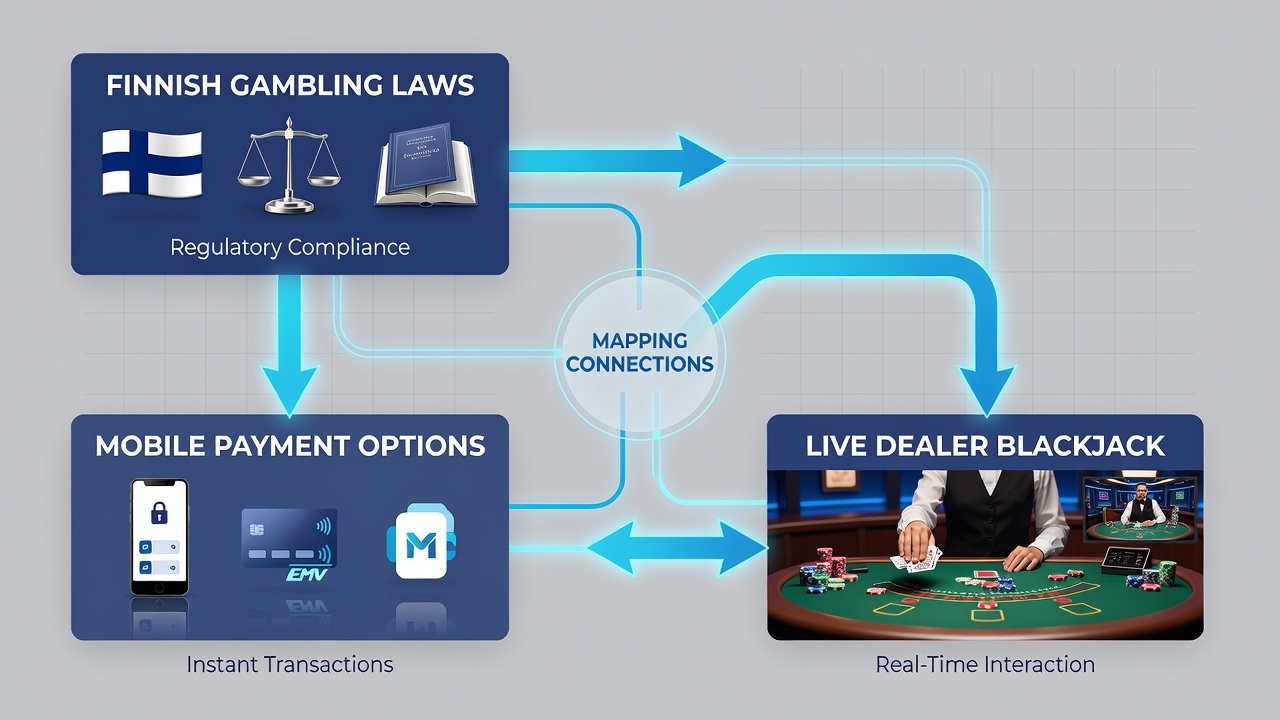
Payment speed becomes relevant when players adjust bets after each hand, since delays from slower methods can break the rhythm of card tracking or progressive wagering systems that rely on continuous play.
Live Dealer Blackjack Strategies in a Regulated Environment
Standard approaches such as basic strategy charts remain unchanged by geography, yet the availability of specific table rules on licensed versus offshore sites can alter optimal decisions; for instance, Finnish players accessing international live casinos often encounter variations in deck penetration and dealer hit-soft-17 policies that modify expected value calculations.
Studies from the Canadian Centre for Gaming Research indicate that mobile-optimized live streams reduce latency compared with desktop interfaces, allowing faster decision-making that benefits players who track running counts in multi-deck shoes, while payment confirmation times add another layer of pacing that some incorporate into session planning.
Observers note that regulatory caps on bonus usage tied to payment method also affect bankroll management, since welcome offers processed through approved mobile channels may carry wagering requirements that interact with long-term strategy outcomes over dozens of hands.
Intersections Across Laws, Payments, and Gameplay
The overlap appears most clearly in how licensing requirements filter which live dealer platforms accept Finnish mobile payments, thereby determining the rule sets available for strategic application; when a payment provider restricts transactions to operators meeting Finnish verification thresholds, players gain access only to tables that follow those compliance standards.
And this filtering process means strategy resources developed for unrestricted markets may need adaptation, since certain count systems lose edge when table minimums rise to cover added regulatory costs passed on by operators.
Figures from industry reports reveal that transaction success rates above 95 percent correlate with longer average session times in live blackjack, suggesting a measurable connection between seamless mobile funding and the practical application of advanced tactics like shuffle tracking or ace sequencing during dealer changes.
Conclusion
Connections between Finnish gambling laws, mobile payment infrastructure, and live dealer blackjack strategies emerge through regulatory filters that shape platform access, transaction efficiency, and rule variations players encounter, with ongoing developments projected into 2026 likely to refine these relationships further as verification technologies and cross-border standards evolve.