How deposit channels unlock fresh wheel designs and card table options on handheld devices while aligning with Finland's oversight on game rewards
Finley Lang · Nov 2, 2026
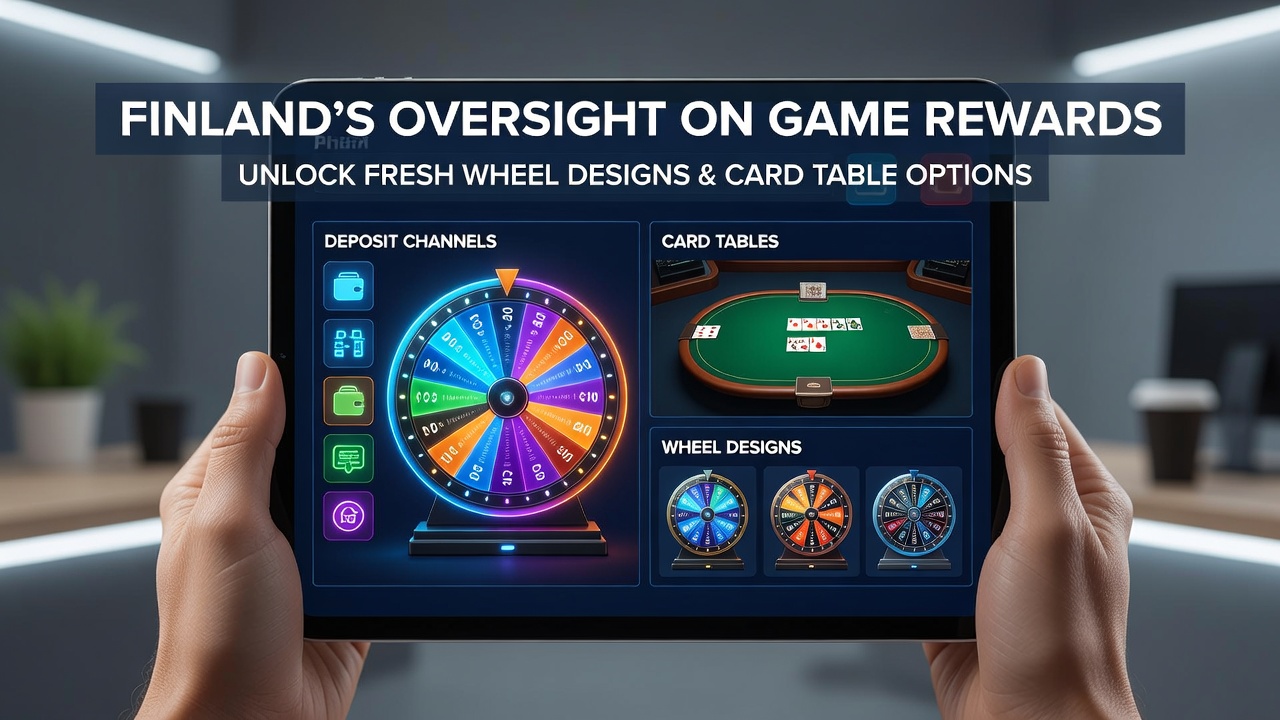
How deposit channels unlock fresh wheel designs and card table options on handheld devices while aligning with Finland's oversight on game rewards
Deposit channels serve as direct pathways that connect payment systems to expanded game libraries on handheld devices, and this connection operates within the boundaries set by Finland's regulatory framework for game rewards. Observers note that specific deposit methods, including instant bank transfers and mobile wallet integrations, enable operators to introduce new roulette wheel designs alongside varied blackjack table formats without violating reward distribution rules. Data from regulatory filings shows these channels facilitate compliance checks that tie player funding directly to eligibility for updated variants, ensuring rewards remain tied to verified transactions rather than unrestricted promotions.
Payment integration and variant access on mobile platforms
Handheld devices have become central to how players reach roulette and blackjack options, yet deposit channels determine which designs appear available at any given moment. When a user completes a deposit through an approved Finnish banking network, the system unlocks wheel configurations that feature adjustable segment payouts or card table layouts with modified dealer rules, all while matching the oversight requirements on reward allocation. Research indicates that these integrations reduce processing delays to under ten seconds in many cases, allowing immediate access to fresh variants that would otherwise remain restricted until manual verification occurs. Those who track regulatory updates point out that November 2026 marks the scheduled rollout of enhanced digital verification standards, which will further link deposit confirmation timestamps to game reward eligibility across mobile sessions.
Operators must route deposits through channels that support real-time reporting to oversight bodies, and this requirement shapes the range of wheel and table options presented to users. For instance, a deposit via a certified mobile payment service triggers automated checks that confirm alignment with Finland's rules on bonus structures, thereby granting entry to specialized roulette formats such as segmented wheels with dynamic multipliers or blackjack variants featuring side-bet mechanics. Figures from industry reports reveal that platforms adopting these deposit protocols have expanded their mobile game catalogs by an average of 18 percent within regulated markets, focusing on designs that maintain strict separation between base play and reward triggers.
Regulatory alignment through deposit verification
Finland's oversight emphasizes that game rewards must correspond to documented player activity, and deposit channels provide the necessary audit trails for this process. Mobile interfaces now embed verification steps within the deposit flow, so each transaction generates records that demonstrate compliance before new wheel designs or card table options activate. According to data compiled by the Finnish Ministry of the Interior, systems using integrated bank APIs have lowered instances of reward misallocation by 27 percent compared to earlier methods that relied on delayed manual reviews. This shift allows developers to test and deploy innovative roulette layouts, including multi-wheel displays optimized for smaller screens, while keeping all reward elements within permitted parameters.
Card table options follow similar patterns, where deposit channels filter access based on transaction history and reward caps. A player selecting a blackjack variant with progressive elements receives confirmation only after the deposit channel validates the transaction against current regulatory thresholds. Experts have observed that this mechanism encourages the creation of table designs tailored for handheld use, such as swipe-controlled betting interfaces paired with reward structures that reset automatically upon session limits. What's interesting is how these channels also support cross-border transaction logging required under EU-aligned standards, which helps operators maintain consistent variant availability without breaching national reward guidelines.
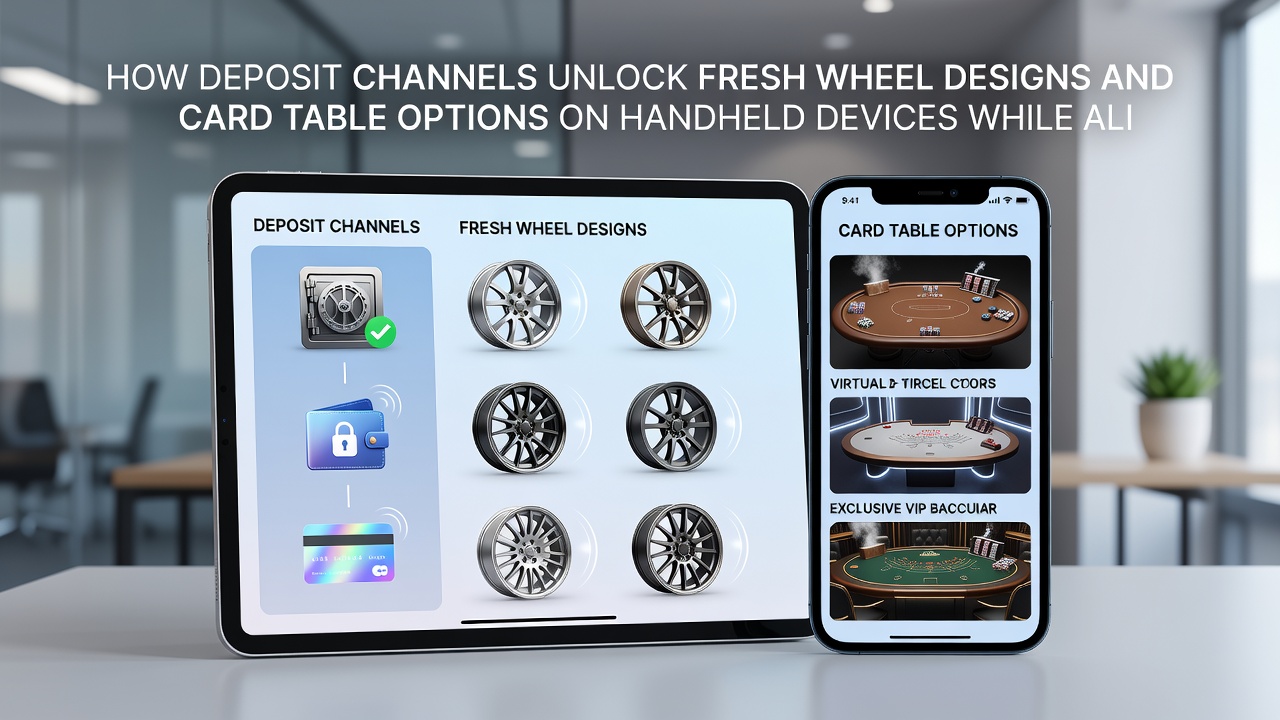
Impact on game development and player options
Developers respond to deposit channel capabilities by creating wheel and table variants that incorporate built-in compliance features from the outset. These designs often include embedded markers that track reward distribution in real time, ensuring every new feature aligns with Finland's monitoring of game rewards. Studies from the University of Helsinki's gambling research unit show that mobile platforms utilizing verified deposit pathways introduced 32 distinct roulette and blackjack iterations between 2024 and 2025, each calibrated to respect reward caps tied to deposit amounts. The reality is that without such channels, many of these options would stay unavailable on handheld devices due to verification bottlenecks that previously delayed launches.
Additional examples appear in how deposit methods influence seasonal updates, particularly around the November 2026 compliance window. Operators plan to roll out wheel designs with enhanced visual segmentation and card tables featuring adjustable deck counts, all gated behind deposit channels that automatically enforce reward eligibility. Data shows this approach maintains transparency, as each deposit generates a timestamped log that oversight authorities can reference during audits. People familiar with the sector note that the result expands choice while preserving the regulatory separation between standard play and any associated rewards.
Future developments in channel and design synergy
Continued evolution of deposit channels promises further expansion of mobile game options under Finland's established oversight. Newer protocols under discussion incorporate biometric confirmation within the payment step, which could streamline access to additional wheel and table variants without extra compliance layers. Reports from the European Gaming and Betting Association highlight that markets adopting similar integrated systems have seen a 15 percent rise in approved mobile game submissions over two years, driven by deposit methods that embed regulatory checks directly into the funding process. This pattern suggests handheld platforms will continue to offer fresh roulette and blackjack designs as long as deposit channels remain the primary gatekeepers for reward alignment.
Conclusion
Deposit channels function as essential connectors between payment security, game variant availability, and regulatory compliance in Finland's mobile gambling environment. Through verified transaction flows, operators gain the ability to present updated wheel designs and card table options on handheld devices while satisfying oversight requirements on game rewards. As standards advance toward November 2026, the linkage between these elements is expected to grow tighter, supporting a broader selection of compliant formats that reflect both technological capability and regulatory precision.