Connecting the Dots: Legal Boundaries Shaping Deposit Choices and Game Variant Access in Finland's Digital Casino Scene
Finley Lang · Oct 5, 2026
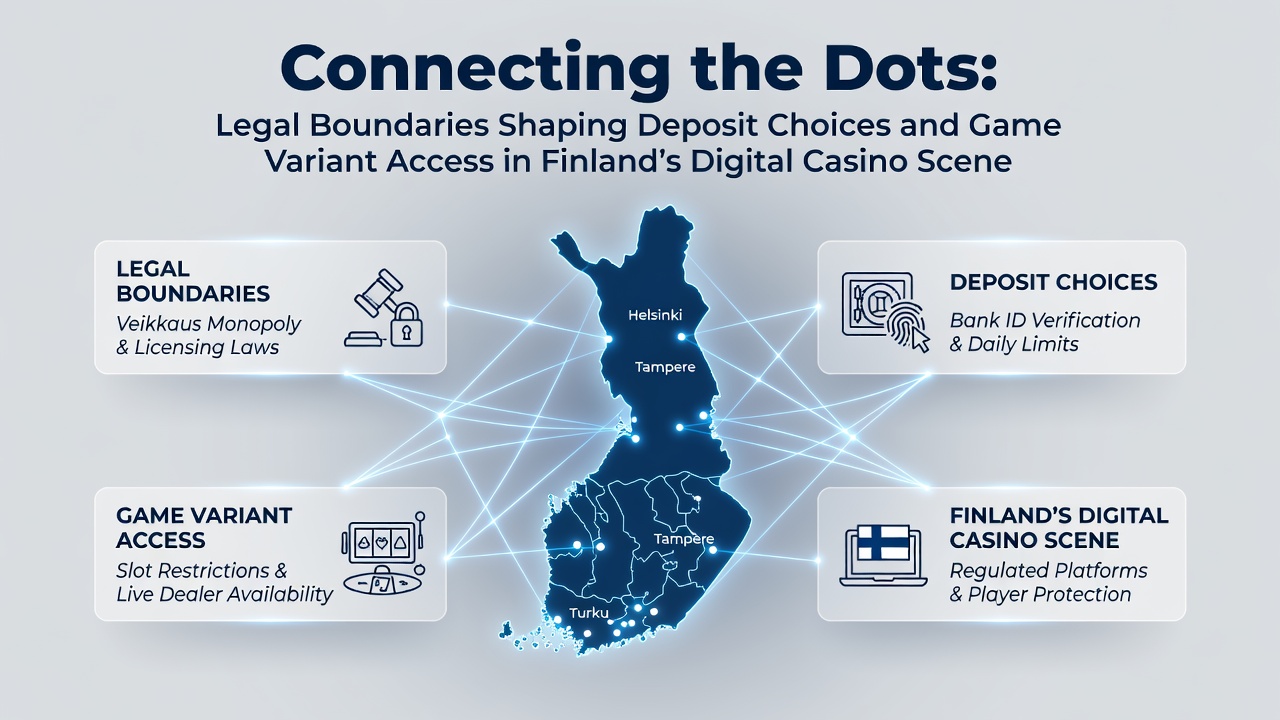
Connecting the Dots: Legal Boundaries Shaping Deposit Choices and Game Variant Access in Finland's Digital Casino Scene
Finland's digital casino environment operates under a framework where national legislation directly influences how players select deposit methods and which game variants become available through licensed platforms, and observers note that these connections have grown more pronounced as oversight mechanisms evolve.
Finland's Current Regulatory Structure
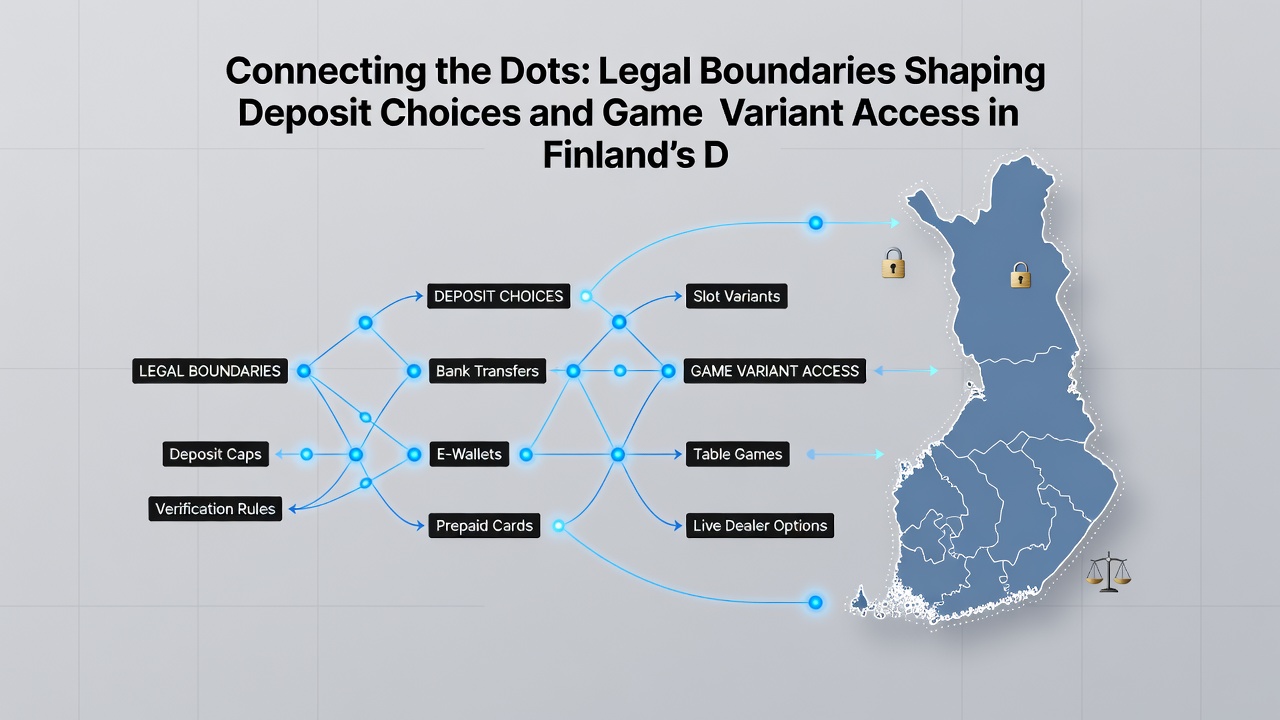
The National Police Board maintains primary responsibility for supervising online gambling activities, while the Ministry of the Interior sets broader policy directions that determine acceptable payment channels and game offerings, and data from government reports shows that operators must comply with strict licensing conditions before offering services to Finnish residents. These rules create clear boundaries around deposit options such as bank transfers and e-wallets, limiting certain international processors that fail to meet local security and taxation standards.
Legislation enacted in previous years established the foundation for these controls, yet upcoming adjustments scheduled for October 2026 aim to refine licensing procedures further and align them with emerging EU directives on digital payments.
How Deposit Choices Face Legal Constraints
Payment service providers operating in Finland must register with relevant authorities and adhere to anti-money laundering requirements that shape which methods players can actually use for casino deposits, and figures from industry analyses reveal that many popular international options remain restricted unless they integrate with Finnish banking systems. This setup pushes users toward domestic banks or approved digital wallets because unregulated alternatives trigger automatic blocks at the operator level.
Research from European financial oversight bodies indicates that transaction limits and verification protocols also stem directly from these legal mandates, forcing casinos to implement real-time checks that affect deposit speed and accessibility for different game types.
Game Variant Access and Regulatory Limits
Legal boundaries extend beyond payments into the variety of roulette and blackjack formats that platforms may offer, since operators receive approval only for variants that meet technical and fairness criteria defined by Finnish authorities, and studies conducted by academic research institutions in Scandinavia demonstrate how these approvals create uneven availability across different sites. Players encounter fewer progressive jackpot options or live dealer streams when providers cannot secure the necessary certifications for those specific game mechanics.
What's notable here is the way deposit method restrictions compound these limits because certain payment gateways only support standard table games while blocking access to more specialized variants until additional compliance steps are completed.
One analysis from a Canadian university research group highlighted parallel patterns in other regulated markets where similar deposit rules indirectly narrowed the range of blackjack side bets and roulette wheel configurations available to users.
Intersections Between Payments and Game Availability
Observers who track these developments point out that the same statutes governing deposit processing also dictate how operators categorize and promote different game variants, creating a situation where approved payment flows determine which titles appear in player accounts, and this linkage becomes especially visible when new licensing rounds occur. Data collected by trade associations in Australia shows that markets with tight payment controls often see slower rollout of innovative game formats compared to less restrictive jurisdictions.
Yet teh structure allows certain approved deposit channels to unlock broader variant libraries once verification thresholds are met, which explains why many Finnish platforms emphasize local banking partnerships as gateways to expanded content.
Looking Toward October 2026 Adjustments
Policy documents released by Finnish authorities outline changes expected in October 2026 that will introduce updated criteria for both payment integration and game certification, and these revisions could alter current deposit patterns by permitting a wider set of European payment solutions while maintaining strict oversight on variant approvals. Experts monitoring the process note that the adjustments build on existing laws rather than replacing them, so continuity in player access remains a key consideration.
Industry reports suggest that operators are already preparing systems to handle the transition, particularly around linking new deposit methods to previously restricted game categories.
Conclusion
The connections between legal boundaries, deposit choices, and game variant access in Finland's digital casino scene form an interconnected system where each element reinforces the others through regulatory requirements, and ongoing developments through 2026 will likely continue shaping these relationships in measurable ways according to official records and cross-border research. Players and operators alike navigate this landscape by aligning with established compliance standards that prioritize security and fairness across all available options.